

If your feet hit the floor in winter and instantly regret it, you’re not alone. Cold floors are a common comfort issue, even in homes with running heating systems. The reason usually has less to do with the floor itself and more to do with how heat moves through your home.
Why Are My Floors So Cold in Winter
Cold floors usually aren’t the problem, they’re the symptom. Cold floors in winter happen because floors lose heat faster than almost any other surface in your home. They sit directly above unheated spaces like soil, crawlspaces, basements, or garages and are often under-insulated compared to walls and ceilings. Gravity doesn’t help either: warm air rises, so heat leaves the floor area first.
When floors feel cold, it typically means heat is escaping downward, cold air is sneaking in from below, or your heating system isn’t delivering enough warmth at floor level. The flooring itself isn’t the cause, it’s simply where your home shows heat loss most honestly. Cold floors in winter usually mean your home is losing heat faster than it can replace it, making the drop in surface temperature noticeable there before anywhere else.
Why Cold Floors in Winter Feel Worse Than the Rest of the House
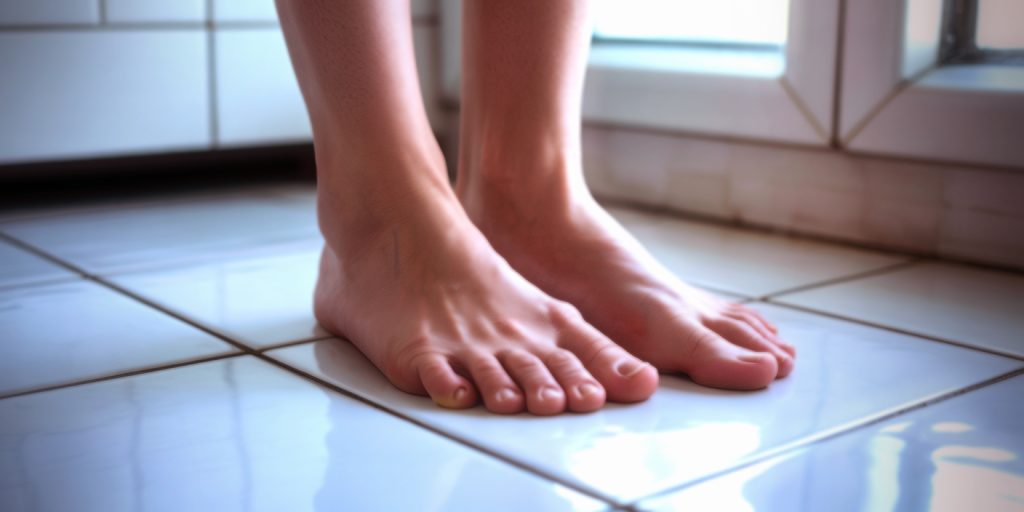
Your body experiences temperature from the feet up. Feet have many nerve endings and very little natural insulation, so when they touch a cold surface, heat transfers out of your body quickly, even if the thermostat says 70°F.
Cold floors also cool the air closest to them. That heavier, colder air settles around your ankles, creating a persistent cold zone near the floor. Your body reads this as “the house is cold,” even when the air higher up is warm. This is why cold floors in winter often feel drafty and uncomfortable despite normal thermostat readings.
Flooring Types That Make Cold Floors in Winter Worse
Any flooring that conducts heat well will feel colder faster. Materials like tile, stone, concrete, laminate, and luxury vinyl don’t create cold, they simply pull heat from your feet efficiently.
Softer materials feel warmer because they trap air and slow heat transfer. Carpet (especially with thick padding), cork, and engineered wood with underlayment don’t change the room temperature, but they reduce how quickly heat leaves your feet. In the same room, at the same temperature, warming floors through material choice alone can noticeably improve comfort without changing the thermostat.
How Heat Loss Causes Cold Floors in Winter
Heat always moves toward colder areas, and in winter that movement is usually downward. When insulation below the floor is thin, missing, or compromised, such as around crawlspaces, rim joists, plumbing or wiring penetrations, or floors over garages and slab foundations, heat escapes into unconditioned spaces.
As warmth leaves, the floor surface temperature drops. Even a few degrees makes a noticeable difference because your body is in direct contact with the floor. Cold floors in winter are often the first visible sign that your home’s thermal barrier isn’t doing its job.
How to Warm Up a Cold Floor With Simple Cold Floor Solutions
If you’re not ready to remodel, you still have options that actually help, not just cosmetic fixes. The most effective cold floor solutions focus on reducing heat loss and slowing heat transfer, which noticeably improves comfort even if the underlying issue remains.
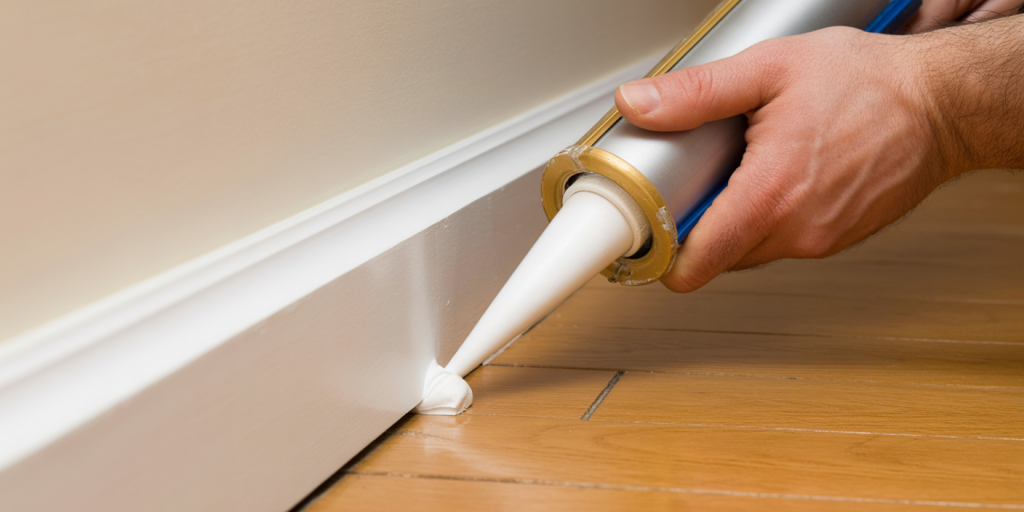
Sealing gaps along baseboards, vents, and floor penetrations helps stop cold air intrusion. Thick rug pads or insulated area rugs slow heat transfer in high-traffic areas, while consistent thermostat settings support more even heating. Improving air circulation helps warm air reach lower levels, and insulating window treatments reduce heat loss near floors. These cold floor solutions improve daily comfort, even if they don’t change the floor’s actual temperature.
Long-Term Ways to Fix Cold Floors for Better Comfort
Long-term comfort comes from stopping heat loss, not overpowering it. The most reliable way to fix cold floors is through insulation and air sealing. Lasting results come from insulating crawlspaces or basements, especially ceiling insulation, sealing rim joists, sill plates, and other structural gaps, insulating floors over garages, and improving overall home insulation and air sealing. Radiant systems can also be effective for warming floors, especially during major remodels or upgrades. The goal isn’t hotter floors. It’s stable floor temperatures that stay close to room temperature instead of constantly pulling warmth out of your body.
How Heating Systems Affect Warming Floors
A lot. Most heating systems are designed to heat air, not surfaces, which makes warming floors more challenging. Warm air rises, so floors are often the last area to feel comfortable. In forced-air systems, issues like undersized equipment, poor duct placement, leaky ducts beneath the floor, or short cycling that never warms surfaces can make cold floors more noticeable. If the heat runs constantly but the floors stay cold, the system may be working hard, but inefficiently.
Radiant heating systems work differently by warming the floor directly. This approach supports consistent warming floors from the ground up and eliminates cold-floor discomfort. In forced-air homes, system efficiency, airflow balance, and runtime consistency all influence how cold floors feel.

When Cold Floor Solutions Signal Bigger Home Issues
Cold floors become a red flag when they’re much colder than the rest of the room, certain areas, especially rooms over garages or crawlspaces, never feel comfortable, or one floor of the house feels significantly colder than another. Rising heating bills without improved comfort, along with noticeable drafts near baseboards or outlets, are also common warning signs.
At that point, quick fixes won’t fully fix cold floors. The issue usually isn’t the flooring, it’s insulation gaps, air leakage, or heating system design. Addressing the root cause with the right cold floor solutions often improves comfort, lowers energy bills, supports better indoor air quality, and reduces strain on your heating system. Cold floors aren’t just annoying; they’re your home telling you something important.




Leave a Reply